From Garage Prototype to Pilot-Ready Beta: The Gravitrex Case Study
How CPI helped Gravitrex translate physical therapy workflow insights into a focused use case and testable product requirements, strengthening its credibility with prospective pilot customers and a strategic partner.
August 2026 - A case study by Clinical Product Insights based on interviews with Kira Burns, CEO and co-founder of Gravitrex.
At a Glance
Client: Gravitrex, an early-stage gait rehabilitation company
Challenge: Define the initial care setting, target workflow, and product requirements needed to move from a garage prototype to a pilot-ready beta
CPI role: Clinical interviews, personas, product requirements, iterative concept testing, and cross-functional decision support
Business Value: A beta system designed around therapist workflow, stronger credibility with prospective pilot sites and a strategic partner, and a clearer basis for future product decisions
The Challenge
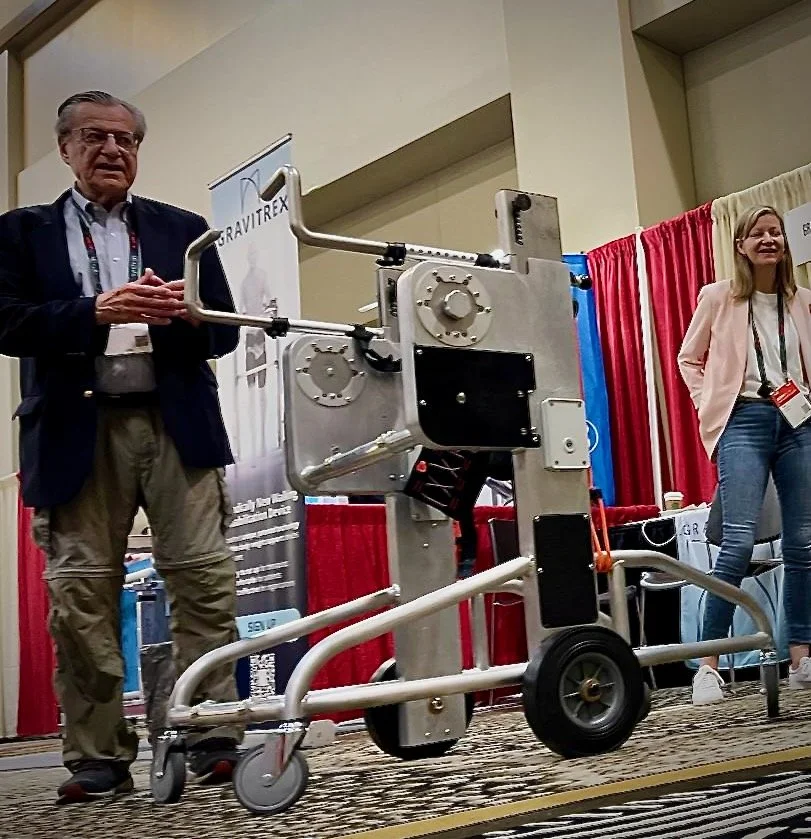
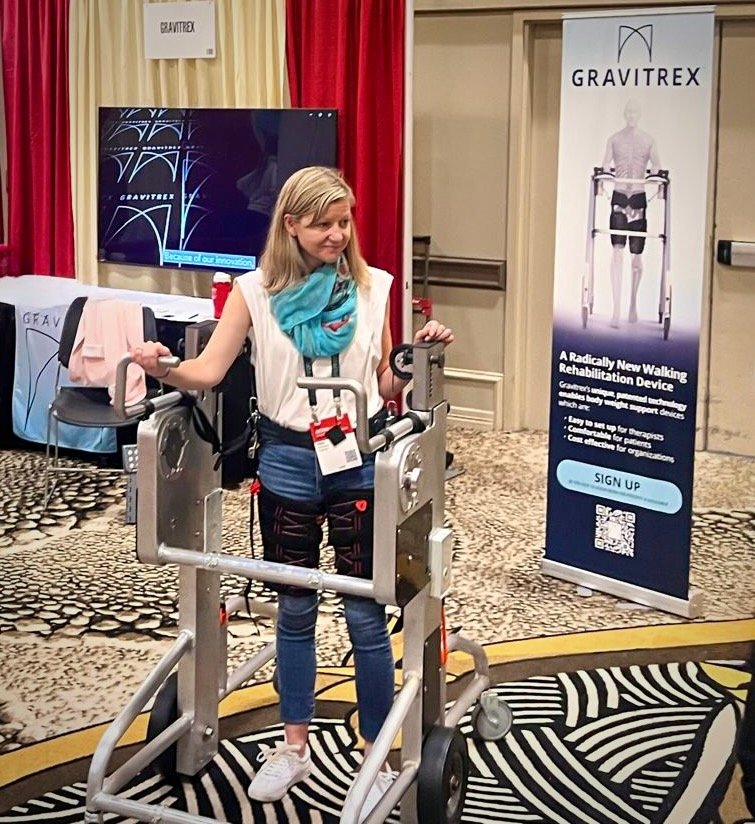
Gravitrex is developing a body-weight-support device that makes advanced gait rehabilitation accessible to more patients across care settings, bringing next generation rehab technology to patients where they need it most. The team had already built a working garage prototype and was preparing to invest in a beta system. Before moving forward, Gravitrex wanted greater confidence that the next version would fit the realities of physical therapy care.
Feedback at trade shows and presentations was encouraging and confirmed that the concept resonated with clinicians. At the same time, those early reactions could not show whether clinicians would choose the product in routine care. Kira described this gap as “a bit invisible to a founder.” Recognizing that workflow issues not evident in early conversations could become costly once engineering decisions were locked in, Gravitrex decided to examine those risks early in development.
For Gravitrex, workflow fit depended on how patients with different mobility needs would enter and exit the device, where therapists would stand, whether they could see and reach the patient, and how the device would fit into an existing treatment session.
Physical therapists sometimes call products that attract enthusiasm but see little routine use “towel hangers.” They arrive in the clinic, go unused, and eventually hold towels or disappear into a closet.
Gravitrex chose to de-risk the transition before committing resources to a full beta build. CPI was brought in to translate therapist insight into a focused use case, product requirements, and design direction while those decisions were still flexible.
The Approach
Using a clinical engineering lens, CPI led a structured process that connected therapist insight to product direction, engineering decisions, and team alignment.
Ground the product in clinical reality. CPI interviewed physical therapists, rehabilitation directors, and other clinic stakeholders to understand routine workflows and unmet needs. The research surfaced practical needs around patient transfers, ingress and egress, therapist positioning, handle placement, and visual and manual access to the patient. These needs varied across patient types and care settings. The structured interviews grounded design inputs in clinical reality and reduced the influence of internal assumptions.
Focus the use case and align the team. CPI synthesized the findings into research-based personas tied to the therapist, patient, and care setting. The personas helped Gravitrex narrow its initial focus and align the founders, technical team, and design partner around the workflow the beta needed to support first.
Turn clinical insight into engineering requirements. CPI translated recurring clinical needs into a product requirements document. Patient entry and exit time became a measurable priority. Therapist access, handle placement, and form factor became design criteria the team could evaluate.
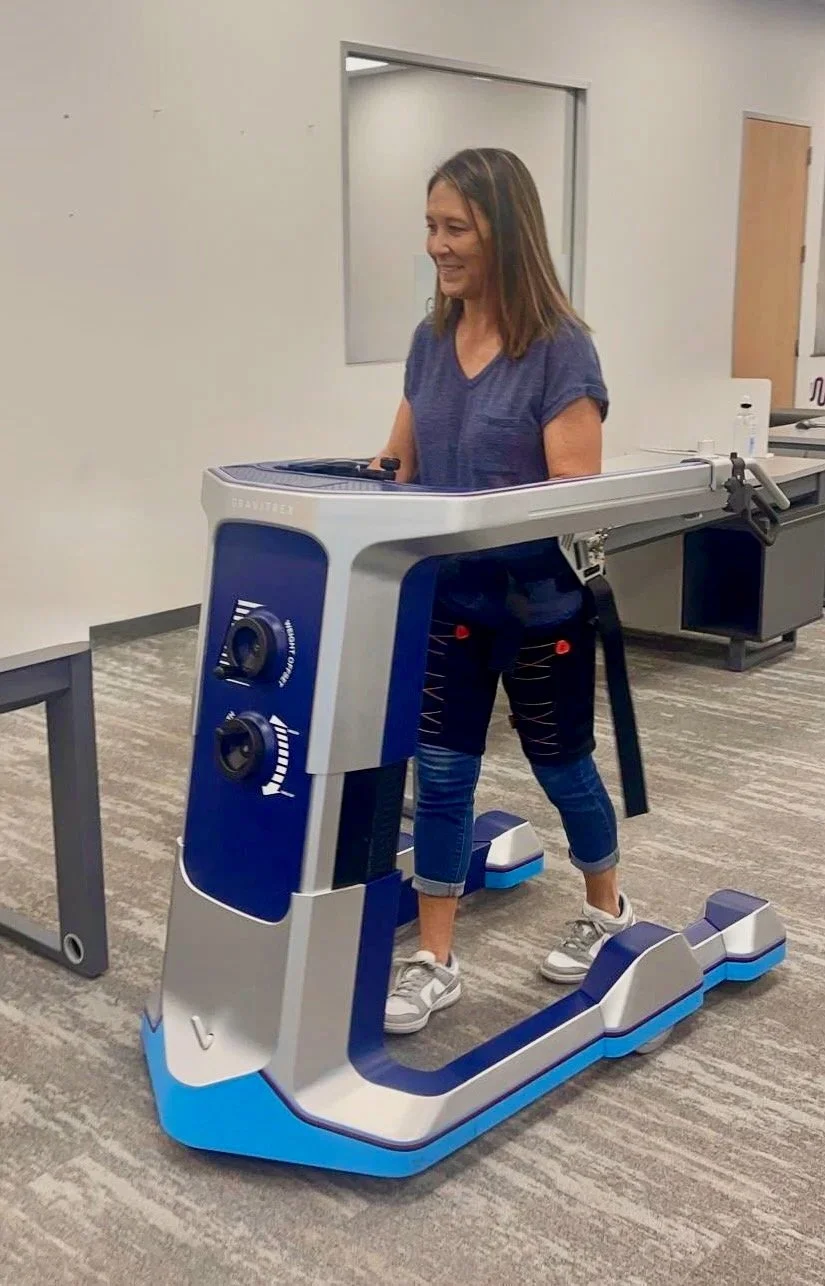
De-risk design through rapid iteration. CPI worked with the design partner to pair rapid AI-generated concept renderings with structured therapist feedback and prototype testing. This allowed Gravitrex to compare form factors, refine handle placement, and assess how each configuration affected therapist access to the patient.
CPI bridged the founders, technical team, and design partner so each iteration remained tied to the target user and workflow. The process surfaced non-obvious workflow needs early and reduce the risk of expensive rework.
The Results
A beta system designed around therapist workflow. The work helped Gravitrex move from a garage prototype to a developed beta ready for evaluation by physical therapists. Key design choices were tied to a defined user, care setting, workflow, and set of product requirements.
Stronger customer and partner signals. As Gravitrex brought the beta into customer and partner conversations, the team began seeing clearer evidence that the product and story reflected clinical reality. After Gravitrex was selected to pitch at a skilled nursing facility conference, representatives from one group contacted the team and told them, “You’re talking our language.”
The group’s executives later flew to Phoenix to demo the device in person. Prospective users also reflected Gravitrex’s clinical language back to the team, signaling that they could envision the product within their own workflow.
Gravitrex’s disciplined approach stood out to Enlighten Mobility, a strategic partner with experience in gait rehabilitation. Kira said Gravitrex’s focus on user-centered design contributed to Enlighten Mobility’s decision to work with the company.
“They said again and again that they were really impressed with how focused we were on user-centered design. I think it is one of the reasons they chose to work with Gravitrex over other potential partnerships.”
A resource the team continues to use. Kira later used CPI’s user-feedback report to orient new team members and keep product discussions connected to the original clinical needs and rationale behind key decisions.
Gravitrex’s experience shows the value of translating clinical insight into product decisions before engineering choices are locked in. CPI helped the team move from a garage prototype to a pilot-ready beta, strengthen customer and partner conversations, and develop a clinical foundation that continues to guide the product as the company grows.
Planning the next step from prototype to pilot?
CPI helps medtech teams pressure-test their use case, workflow, and product requirements before committing to the next build.
References:
Gravitrex Inc.
Gravitrex and Enlighten Mobility Partner to Accelerate Rehab Tech Commercialization, Rehab Management
Some startups see opportunity in an aging Japan, Japan Times
Gravitrex: Reinventing Walking Rehabilitation for Older Adults, AARP Age Tech
Anti-Gravity Wearable for Walking Rehabilitation, WearTech Center